XP558 Restoration
XP558 is a mk4 Jet Provost. It was manufactured in 1962, spending its initial life at RAF Cranfield painted in a Silver and orange day-glo scheme. It later moved to RAF Manby college of Air Warfare where it flew as part of the MACAWS display team, now painted in the red/white/grey standard issue RAF colours. It was eventually moved to RNAS Culdrose as an 'instructional' aircraft. At this stage, the rest of its life is unknown, until it was acquired by a flight simulator enthusiast who had the cockpit section removed. Prior to being totally converted into a sim, the nose section was put up for sale and was rescued. It is now in retirement, undergoing a slow makeover to restore it to something like its former self.
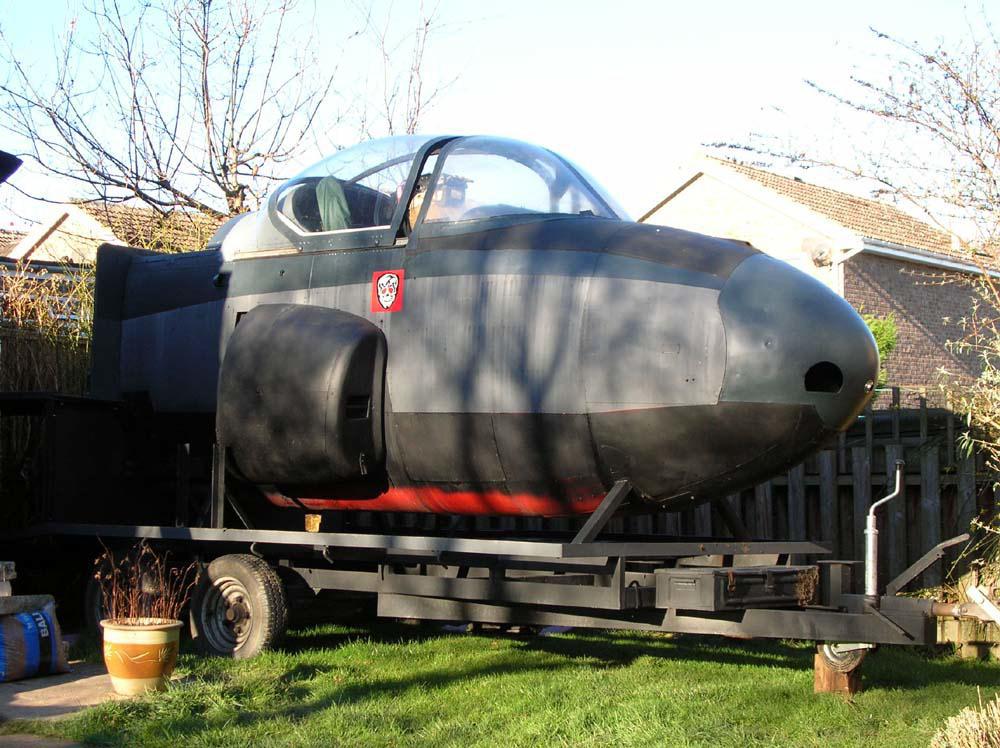
 On a cold but bright January day in 2005, our new garden ornament arrived. It had been painted in a sort mixture of greys with a spooky skull sticker on each side, presumably to give it a more fearsome and threatening fighter look.
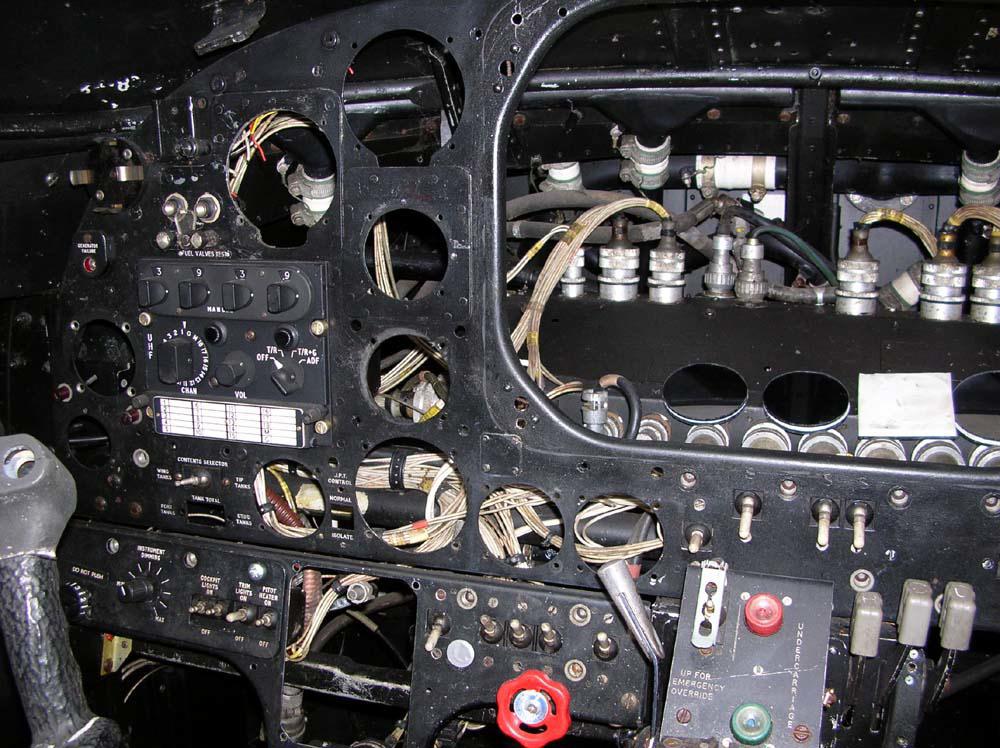 The previous owner had ideas of converting it into a flight sim, so all the instrumentation had been removed, along with some panels. The blind flying panel had been discarded and replaced by a monitor bracket. One of the seats had been removed and left to rust in the open, but at least I still had the original seats. I keep at look out on ebay, ICC and aero jumbles for spare bits. Restoration is a slow process, but it is the intention to have it as original as I can. My initial intention was that one year would see me at the Cockpit fest at Newark, but alas...
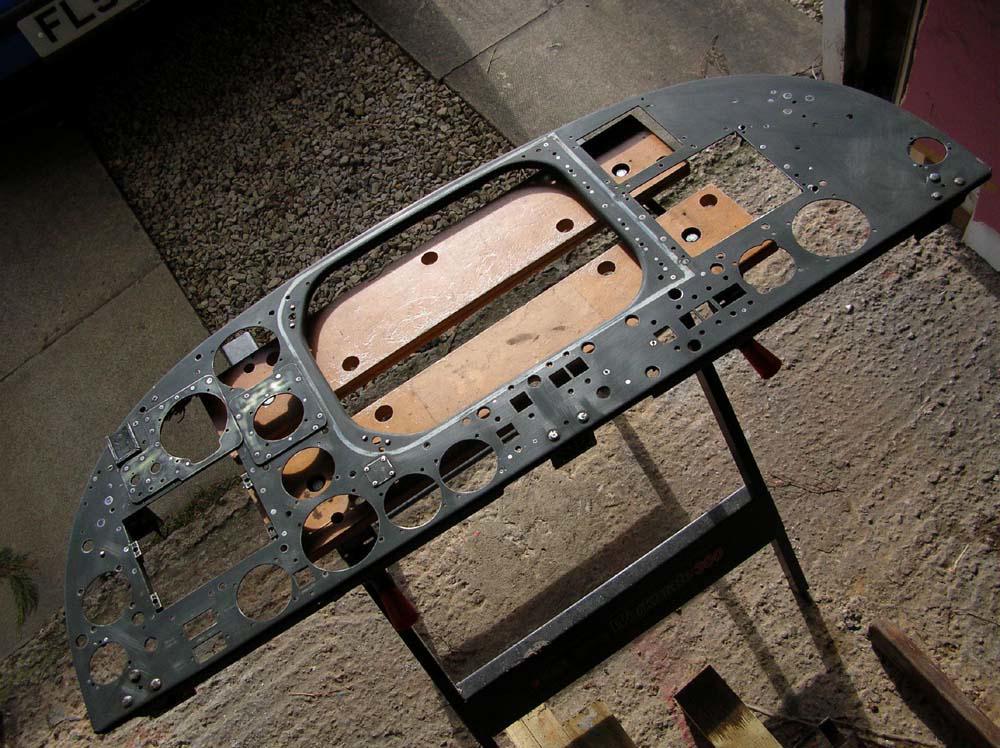 The Instrument Panel needed a real good clean, and the awful paint that had been applied needed removing. The panel was removed from the cockpit and totally stripped down, and sanded ready for a more authentic finish. This pic shows the main instrument panel outside being prepared to be re-painted.
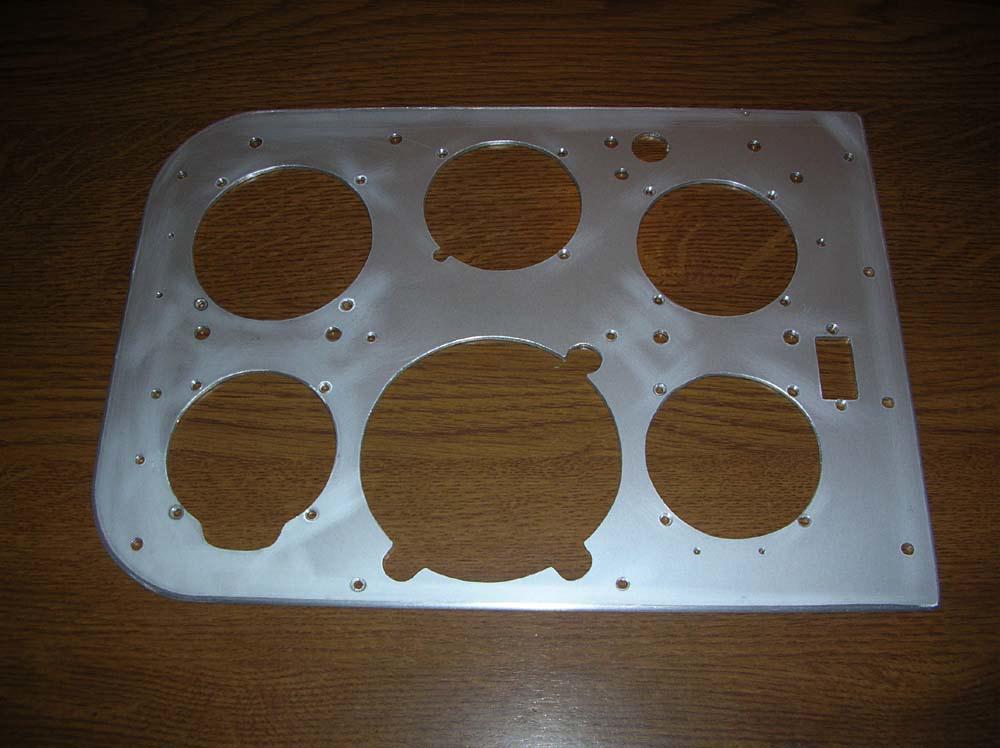 The blind flying panel (ie the bit of metal that holds the six main instruments) had previously been replaced with a sheet of plywood with a monitor bracket. This meant that a new panel had to be fabricated. Although it should have been made from sheet bent to shape, I used 3mm aluminium sheet which was fabricated to give an authentic appearance. If I ever get a real blind panel, then I will replace it, but for now, and thanks to DaveT for the template, this one will do.
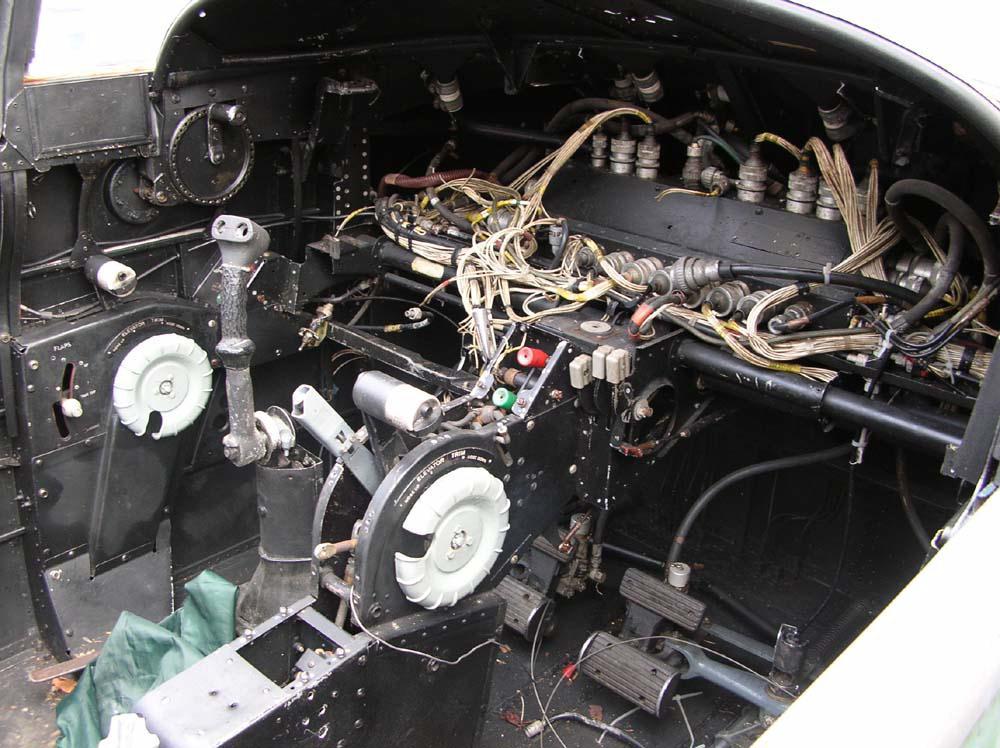 The cockpit was no place for a smartly dressed chap, everything was dirty and greasy. However, the spare room was soon converted into a workshop and the instrument panel (along with both ejector seats) was moved upstairs for renovation. I worked on the principle that if it could be removed, then it was removed and taken inside. This meant that I could tinker without having to go outside into the rain or dark.
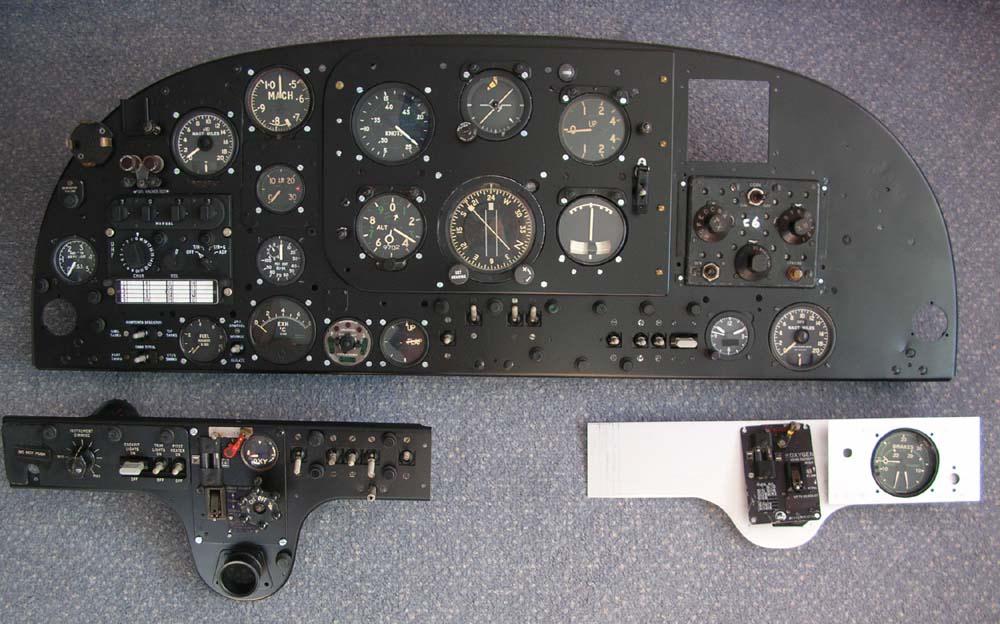 Very slowly the instrument panel took shape. There are only a couple of items still outstanding, and these are cosmetic bits, should as the switch legend plates and a couple of knobs (rudder pedal adjust etc). The lower starboard panel was missing, and a new one was made. This was recently replaced by an original panel I managed to acquire.
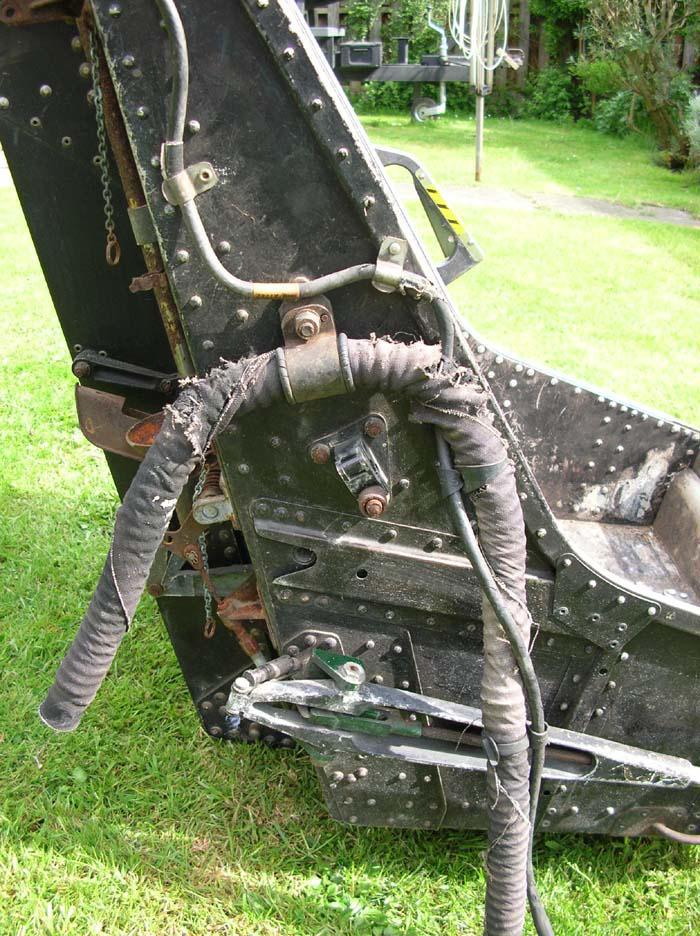 Here we have one of the Martin Baker MK4 P ejector seats. It had seen better days, and you certainly wouldn't want to be strapped in it at 6000'. First came a brush down, to get rid of the cobwebs & dust. I always took photos of equipment prior to dismantling so that I knew how to re-assemble it weeks later. Rusted bits were carefully cleaned and made operable again where possible. Fortunately the seats were reasonably complete.
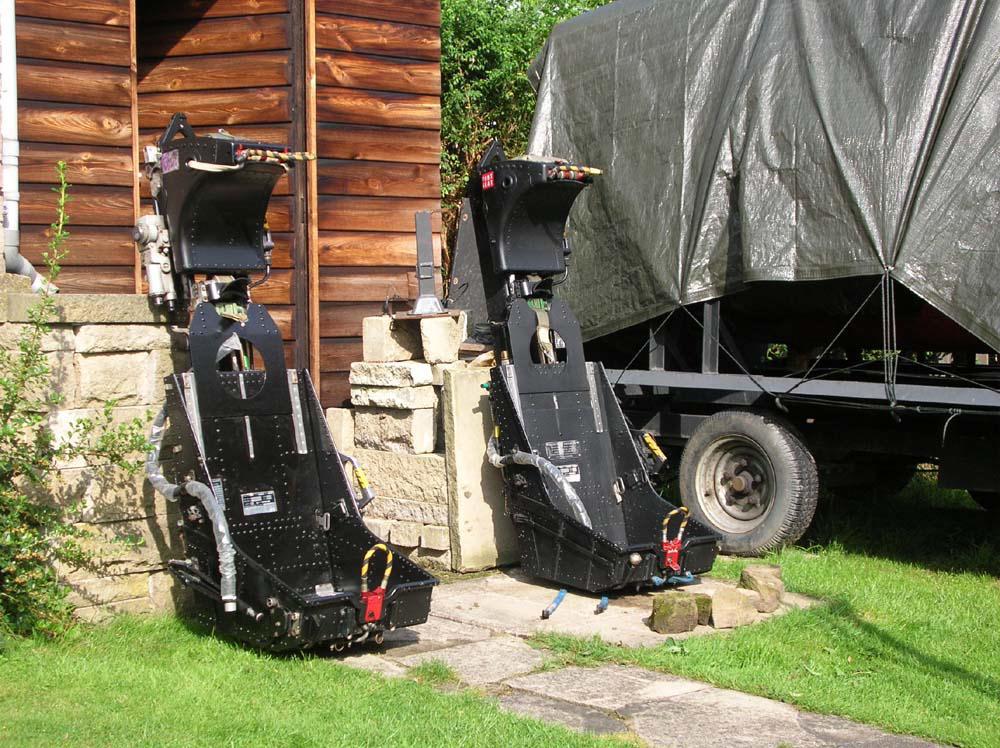 After a bit of TLC, and a few new bits, the seats started to actually look like seats.
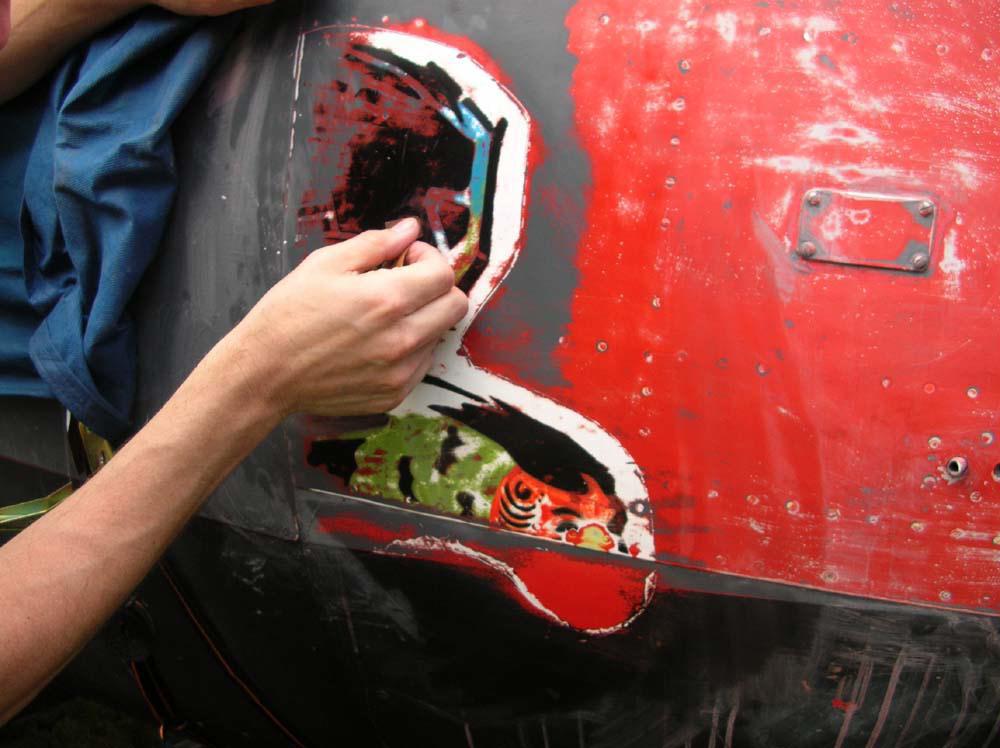 Whilst sanding off the grey paint that had been liberally brushed on, I noticed that under the previous coat of red was part of the Macaw image on the side of the fuselage, evidence of its former life in the Macaws display team (MAnby College of Air Warfare). I suddenly switched to a fine wet and dry paper to avoid any damage to the image.
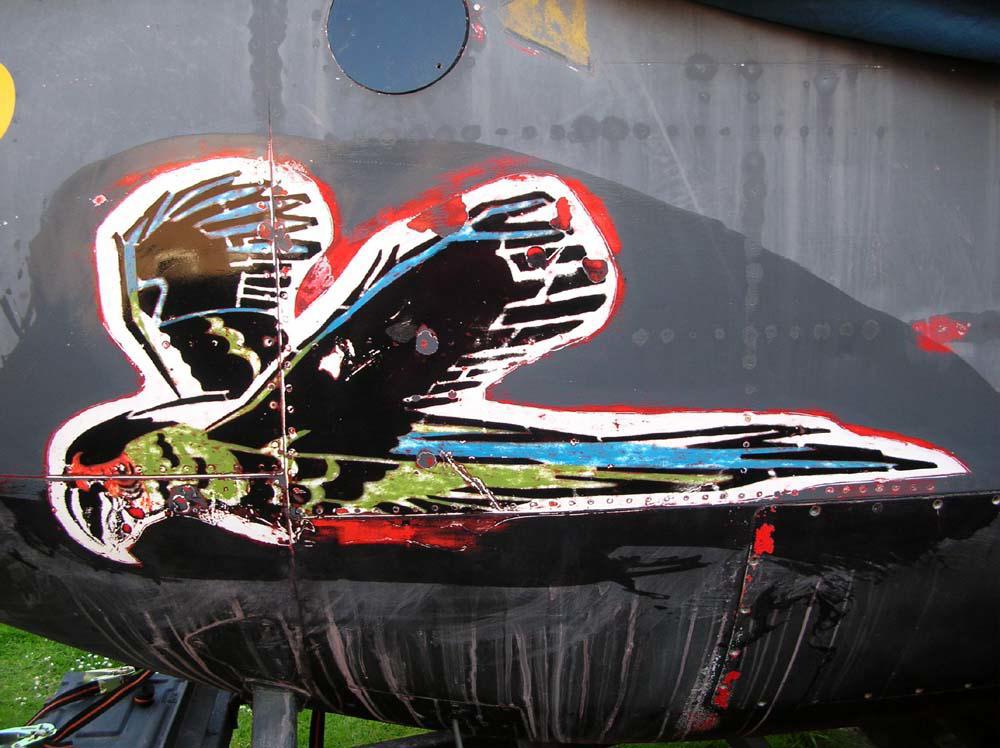 I then moved onto the port side to see if that also had an image waiting to be revealed. Once the macaw had been revealed, I took oodles of photos and traced the image onto paper with the intention of accurately reproducing it when the aircraft is repainted.
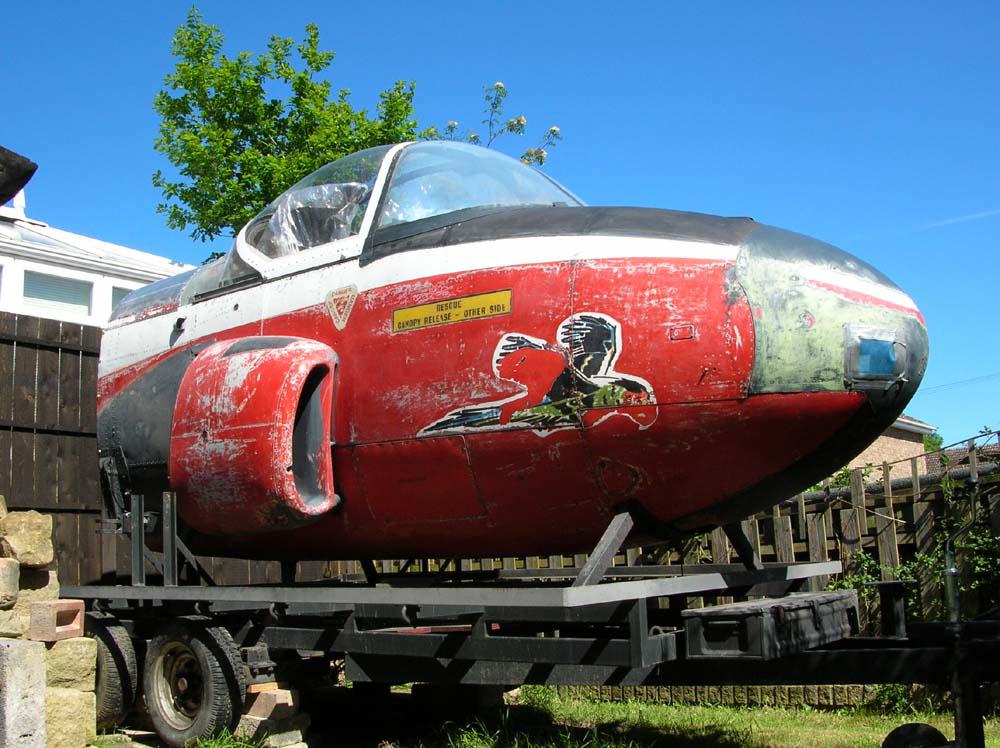 As time passes, the grey paint is gradually being removed in preparation for a repaint in the traditional red, white and grey. The daunting task of painting such a beast is drawing close, and this will be a major milestone in the renovation of XP558.
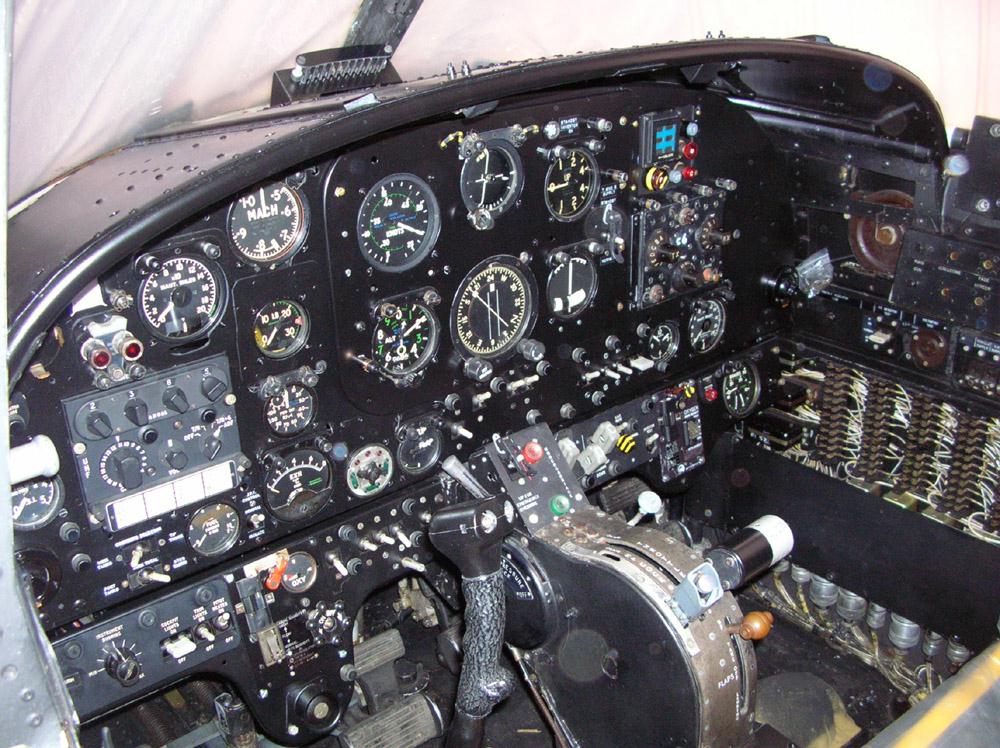 Internal photo of the instrument panel after installation, with the majority of other equipment re-installed.
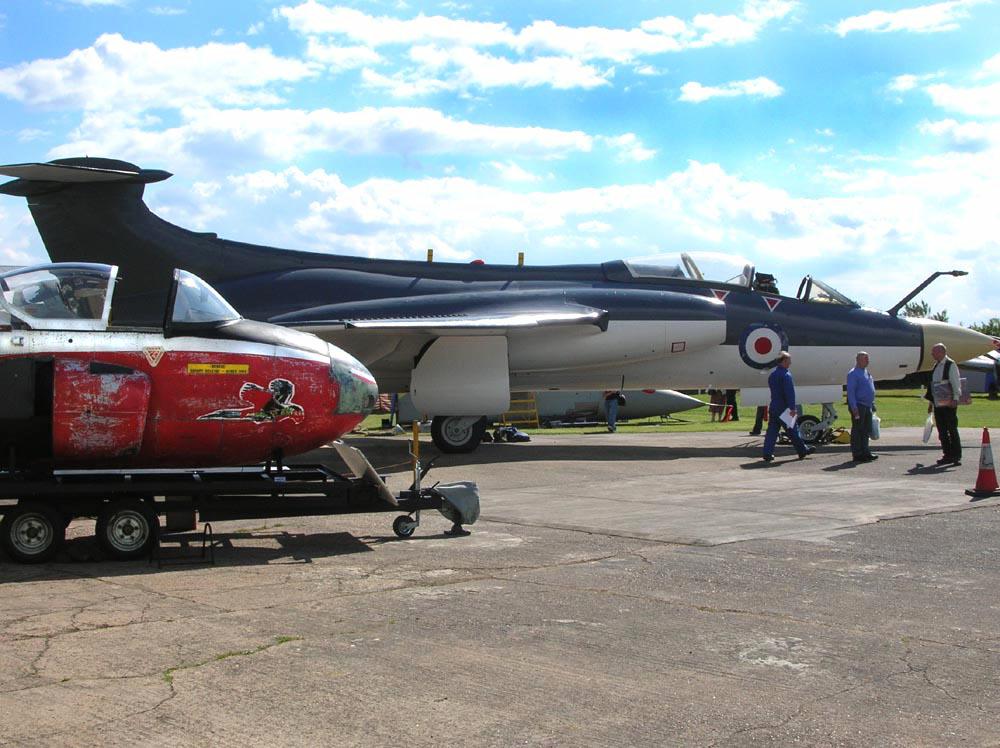 In June 08, XP558 attended Cockpit-fest at Newark Air Museum. This was its first outing, and its first public performance. Cockpit-fest is a great place to meet like minded cockpiteers, and as well as invaluable comments from visitors and my peers, I now have a renewed enthusiasm to put more effort in to the restoration.
